Key Takeaways
Melbourne rewards travelers who choose a base around their daily plans rather than simply chasing the lowest room rate.
- CBD locations suit visitors who want laneways, shopping, dining, and central business access.
- Southbank works well for arts, entertainment, riverside dining, and a slightly different city atmosphere.
- Studios suit shorter visits, while one-, two-, and three-bedroom apartments provide more room for longer stays or groups.
- Kitchens, laundry facilities, Wi-Fi, fitness areas, pools, parking, and cancellation terms can materially change the value of a booking.
- Comparing the exact room type, inclusions, location, and policy is more useful than relying on the headline nightly price.
Understanding Adina Apartment Hotel Melbourne’s locations
Melbourne is compact in the centre, but its neighbourhoods still feel distinct. A CBD address places you close to laneways, shops, restaurants, and many business addresses, while Southbank offers quick access to arts venues and riverside entertainment. For the best choice, map the places you expect to visit and consider how often you want to return to the hotel during the day.
Melbourne CBD and Queen Street
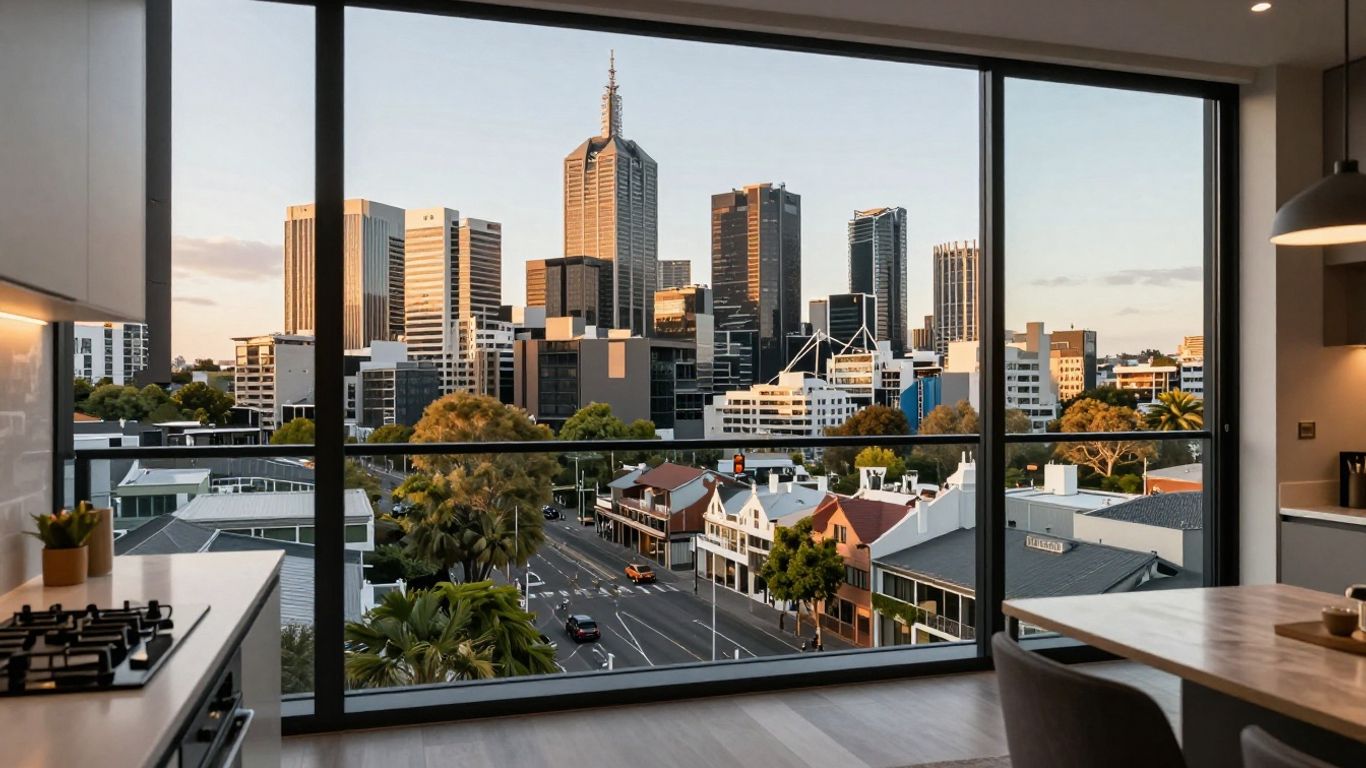
The Queen Street option sits in Melbourne’s CBD, near Little Bourke Street and the central grid. That makes it a practical base for exploring laneways, Queen Victoria Market, Bourke Street Mall, and the city’s cafés without arranging transport for every outing. The Adina Apartment Hotel Melbourne listing describes studios and one-, two-, and three-bedroom apartments with kitchen facilities, laundry, and free Wi-Fi.
The CBD is especially convenient when your itinerary mixes sightseeing with meetings. It also gives you an easier fallback on wet days: shops, food, galleries, and public transport are generally close enough to keep the day flexible.
Southbank and nearby attractions
Southbank has a different rhythm, with the Yarra, arts venues, restaurants, and entertainment precincts shaping the experience. It can be a good fit if evening dining or performances are central to your plans, particularly when you prefer to walk back after an event. The Southbank apartments page describes studios and one- and two-bedroom apartments, kitchens, laundry facilities, free Wi-Fi, a gym, and a heated indoor pool.
The trade-off is that a Southbank stay may feel less directly connected to the older laneways and some central business addresses. That is not a problem for most visitors, but it is worth considering if you expect to move repeatedly between the CBD, market, and northern parts of the city.
Comparing access to transport and business districts
Both central and Southbank stays can work for a car-free trip, although the most convenient route depends on your destination. Check walking times to the relevant tram stops, railway stations, offices, and venues rather than assuming that two central addresses offer the same access. A few minutes saved each way can matter during a short business visit.
For travelers arriving by train, the Melbourne city apartments information highlights access near Southern Cross Railway Station and Collins Street. Treat that as a separate location to compare, not as a reason to assume every Melbourne property has the same transport pattern.
Choosing the best location for your itinerary
Start with the shape of the trip. A conference-heavy visit may favour the CBD, a theatre weekend may point toward Southbank, and a family itinerary may benefit from whichever address makes breaks and meals easiest. Think about mornings as well as evenings: the location that looks attractive at night may not be the one that simplifies your first appointment.
A useful rule is to choose the neighbourhood that removes the most repeated journeys. Melbourne’s central attractions are close enough that either area can support sightseeing, but your preferred restaurants, work meetings, and evening activities should settle the final decision.
Choosing the right apartment or studio
Apartment-style accommodation is most useful when the room needs to support more than sleep. A kitchenette, living area, and laundry access can change how comfortably you manage a longer visit, especially when traveling with children or working between outings. Compare the actual floor plan and occupancy details, not just the broad label “apartment.”
Studio apartments for shorter stays
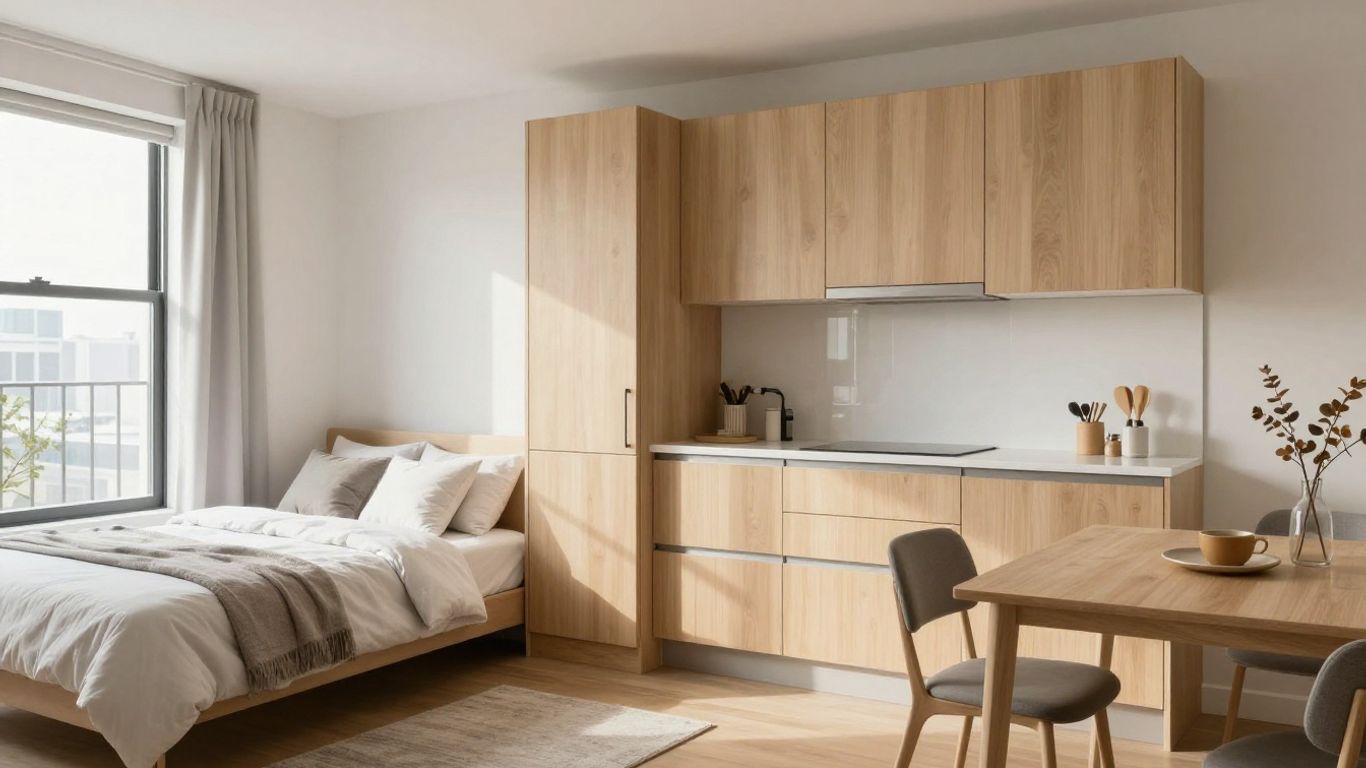
A studio is often the simplest choice for one or two people who plan to spend most of the day out. It can provide a more functional setup than a conventional hotel room while keeping the nightly rate and cleaning footprint lower. Before booking, check whether the sleeping and living areas are combined and whether the kitchen includes the equipment you expect to use.
Studios may also suit solo business travelers who want somewhere to prepare breakfast or settle in after meetings. If you will be staying for several nights, confirm whether storage and workspace feel sufficient for your luggage and routine.
One-bedroom apartments for added space
A one-bedroom apartment creates a clearer separation between sleeping and living areas. That is helpful for couples with different schedules, parents settling children early, or anyone who wants to work without sitting on the bed. It can also make a longer stay feel less compressed.
Look for details such as a dining surface, sofa, balcony if desired, and laundry arrangements. These practical features often matter more than decorative touches once the room becomes part of your daily routine.
Larger apartments for families and groups
Two- and three-bedroom apartments are worth considering when privacy and shared space both matter. Separate bedrooms can reduce the friction of traveling as a group, while a common living area gives everyone somewhere to gather. Confirm the stated occupancy, bed configuration, and number of bathrooms before assuming a larger apartment will suit everyone.
The apartment living guide describes the wider apartment-hotel approach as combining flexible spaces with hotel convenience. That distinction is useful: you are choosing a way of staying, not simply a larger room.
Features to compare before booking
Room categories can differ in size, outlook, balcony access, and included facilities. The most useful comparison is the one that connects those details to your trip rather than treating every upgrade as automatically worthwhile.
For a quick review, compare these points:
- Sleeping arrangements and maximum occupancy.
- Kitchen equipment, dining space, and laundry access.
- Workspace, Wi-Fi terms, and room separation.
- Balcony, view, accessibility, and bathroom layout.
After making that comparison, consider how often each feature will be used. A larger living area may be valuable on a five-night family stay but unnecessary for a one-night stop between trains.
Reviewing the hotel amenities
Amenities should be judged as working parts of the stay, not as a long list of extras. A kitchen is useful when you will cook, a pool matters when you will use it, and parking only has value if you are bringing a car. Read the details alongside your itinerary and avoid paying for facilities that do not support your plans.
Kitchens and in-room living areas
A self-contained kitchen can make mornings easier and reduce the need to eat every meal out. It may also help families manage familiar foods or travelers handling dietary preferences. Ask whether the room includes the cookware, refrigerator space, and basic equipment you need rather than assuming every kitchen is identical.
Living areas add flexibility for reading, planning, or taking a break from crowded city streets. They are particularly useful when one guest wants to sleep while another still has work or leisure time.
Wi-Fi, workspaces, and business-friendly features
Free Wi-Fi is listed for the CBD and Southbank properties in the supplied accommodation information, but travelers should still check any conditions attached to the service. A proper desk or table, accessible power, and a quiet room can be just as important for remote work as internet access.
If meetings are scheduled across the city, choose the location that reduces travel between appointments. The small convenience of being able to return to the room between sessions can improve the whole day.
Fitness, pool, and leisure facilities
A gym and heated indoor pool can help maintain a familiar routine while traveling. They are also useful for families looking for an activity during a quieter afternoon. Check opening hours and any access rules before treating these facilities as part of your plans.
The CBD accommodation information lists an on-site gym and heated indoor swimming pool, with access described as daily from 6:00 a.m. to 10:00 p.m. Confirm current details at booking, since operating arrangements can change.
Housekeeping and practical services
Serviced-apartment stays can involve a different housekeeping rhythm from a conventional short hotel visit. Check how often cleaning occurs, how towels are replaced, and whether additional services carry a fee. These details matter more when you are staying for a week or using the kitchen regularly.
Also ask about reception hours, luggage storage, maintenance support, and laundry facilities. Clear answers before arrival reduce small problems once you are carrying bags through an unfamiliar building.
Planning your stay in Melbourne
A comfortable room is only one part of a good Melbourne visit. The city is easy to explore when you group nearby activities and leave room for weather, meal stops, and spontaneous detours. Build the itinerary around neighbourhoods rather than crossing the centre repeatedly.

Attractions near Melbourne CBD
The CBD puts visitors near laneways, cafés, shopping streets, Queen Victoria Market, and central cultural attractions. Many first-time itineraries can be handled on foot or with short tram rides, leaving more time for browsing rather than navigating. Consider reserving one morning for the market and nearby streets instead of trying to fit it between distant bookings.
Central accommodation also makes it easier to return briefly for a rest. That flexibility is valuable when traveling with children or when Melbourne’s weather changes during the day.
Southbank dining and entertainment
Southbank is well suited to evenings built around food, the river, arts venues, and entertainment. It can be especially convenient when you want dinner close to a performance or prefer not to rely on a late-night journey across the city. Make reservations for popular venues and check the walking route back to your accommodation.
The neighbourhood is not only an evening destination. A riverside walk, nearby gallery visit, or relaxed breakfast can give the day a slower start before heading into the CBD.
Public transport and airport connections
Plan airport transfers separately from local sightseeing. Southern Cross Station, tram corridors, and rideshare pickup points can each suit different arrival times and luggage situations. If you land late or depart early, prioritise a simple connection over a route that is merely cheaper on paper.
For local trips, save the addresses of restaurants and attractions in a map before leaving home. That small preparation helps when mobile coverage, battery life, or unfamiliar stop names becomes inconvenient.
A short video walkthrough can help you understand the relationship between the streets, river, stations, and major precincts before arrival. Use it to orient yourself, then verify current transport information through official local sources.
Parking and accessibility considerations
If you are driving, confirm whether parking is on-site or nearby, whether spaces are subject to availability, and whether there is a height restriction. The CBD listing gives an example of on-site parking with a 1.82-metre height limit and a nightly charge, but you should check the current terms for your reservation.
Travelers with accessibility requirements should ask specific questions about entrance routes, lifts, bathroom design, bed height, and the distance from parking or public transport. A general accessibility label may not answer the practical question you need to resolve.
Comparing costs and booking options
The cheapest displayed rate is not always the lowest-cost stay. Apartment size, location, cancellation flexibility, parking, breakfast arrangements, and cleaning terms can all alter the final value. Compare like with like, using the same dates, guests, room category, and payment conditions.
How apartment rates typically vary
Rates usually move with demand, season, local events, length of stay, and room size. A studio may be economical for a short visit, while a larger apartment can become more sensible when its cost is shared across several travelers. Flexible dates by even one night may reveal a meaningful difference.
Keep a note of the total rather than the nightly figure alone. A rate that includes useful facilities or a more flexible cancellation window may suit your circumstances better than a lower, restrictive offer.
Checking direct rates and special offers
Start with the property’s direct booking channel, then compare the same room and terms elsewhere. The Queen Street accommodation details provide a useful reference point for comparing apartment categories, central attractions, kitchens, a gym, and a heated swimming pool.
Do not compare a refundable direct rate with a non-refundable third-party rate as though they were equivalent. Record the final price, payment timing, and inclusions in one place before deciding.
Understanding inclusions, taxes, and deposits
Read the rate conditions for taxes, deposits, incidental holds, internet, parking, and housekeeping. Some costs appear only after you select a room or add a service, so move far enough through the booking process to see the complete estimate.
If your Melbourne trip is part of a larger event or move, separate travel costs from other online purchases. For example, you may also be checking bridal earrings, dental cover comparisons, temporary conduit plugs, online skincare consultations, or THC coffee dosing; keeping those decisions outside the accommodation budget makes the hotel comparison clearer.
Reviewing cancellation and payment policies
A flexible policy can be valuable when flights, meetings, or family plans may change. Check the deadline and time zone for cancellation, whether the deposit is refundable, and what happens if you shorten the stay after arrival. These conditions are easy to overlook when the room description is more visually appealing.
Save the confirmation email and policy language after booking. If an offer looks unusually cheap, the restrictions may explain the difference, and having the original terms available makes later questions easier to resolve.
Deciding whether Adina Apartment Hotel Melbourne is right for you
This style of accommodation makes the most sense when you want room to live during a city visit. It can be more useful than a compact room for families, work trips, and stays where cooking or laundry will save time. The right choice still depends on location, room layout, and the policies attached to the exact rate.
Best suited for extended stays
Apartment accommodation tends to become more valuable as the number of nights increases. A kitchen, living area, and laundry access can support a routine that feels less dependent on restaurants and daily packing. Longer stays also give you more opportunity to benefit from a neighbourhood rather than simply using it as a place to sleep.
For a one-night visit, those features may be less important than a fast arrival, central transport, and a simple rate. Match the accommodation format to the actual length and pace of the trip.
Advantages for families and business travelers
Families may appreciate separate bedrooms, shared living space, and the option to prepare familiar meals. Business travelers may value a desk, Wi-Fi, and the ability to hold a quiet work session away from the sleeping area. In both cases, the benefit comes from reducing daily friction rather than adding luxury for its own sake.
The Melbourne Queen Street hotel information also positions the location near cafés, shopping, the market, and central attractions. That combination can work well when different members of a group want different kinds of days.
Potential drawbacks to consider
Apartment stays are not automatically better for every traveler. A larger room may cost more, housekeeping may follow a set schedule, parking may be limited or charged separately, and a central location can bring street noise. Some guests also prefer the simplicity of a room with no kitchen or living space to manage.
Consider the compromises honestly. If you will spend nearly every waking hour at meetings or attractions, paying for extra space may not improve the experience enough to justify the difference.
Questions to answer before confirming your room
Before pressing the final booking button, confirm the details that could affect comfort or cost. The following questions cover the most common gaps between a promising listing and a suitable reservation:
- Is the selected room in the CBD or Southbank, and how close is it to my main destinations?
- Does the bed and bathroom arrangement match the number of guests?
- Are kitchen, laundry, Wi-Fi, pool, gym, and parking details current and included as expected?
- What deposit, cancellation deadline, and incidental charges apply?
Once those answers are clear, compare the total price with the time and convenience the room provides. That is a more reliable decision than choosing solely from photographs or a headline discount.
Conclusion
Choosing accommodation in Melbourne comes down to the relationship between location, layout, daily routine, and booking conditions. Compare the CBD with Southbank, select only the apartment features you will use, and check every cost before confirming. With that groundwork, an apartment-style stay can make a short city break or extended visit feel considerably easier.
Frequently Asked Questions
Which Melbourne area is best for a first visit?
The CBD is often convenient for first-time visitors because many central attractions, shops, restaurants, and transport connections are close together. Southbank can be preferable when riverside dining, arts venues, and evening entertainment are priorities.
Is an apartment better than a standard hotel room?
An apartment can be useful when you want a kitchen, living area, laundry access, or separate sleeping space. A standard room may be simpler and better value for a short stay focused almost entirely on sightseeing.
How many nights make an apartment worthwhile?
There is no fixed threshold, but the benefits of a kitchen, living space, and laundry generally become more noticeable over several nights. Your travel group and daily habits matter as much as the length of the booking.
What should families check before booking?
Families should confirm bed configurations, maximum occupancy, bathroom access, kitchen equipment, room separation, pool rules, and transport options. Accessibility and the ability to return easily for breaks may also be important.
Should travelers book a refundable rate?
A refundable rate can be worthwhile when flights, meetings, or personal plans may change. Compare the extra cost with the flexibility provided and read the exact cancellation deadline before paying.
Is parking necessary in central Melbourne?
Many visitors can manage without a car because central Melbourne has walking routes and public transport. Parking may be useful for regional day trips, but check availability, fees, entry arrangements, and vehicle height limits first.
How can travelers compare hotel prices fairly?
Use the same dates, guest count, room type, payment terms, cancellation policy, and inclusions across each booking channel. Compare the complete total, including likely extras, rather than relying only on the advertised nightly rate.